
Tasting: demystifying sherry casks in whisky
A couple of days ago I hosted a tasting for the Belgian whisky club Crann. The subject was sherry casks in two parts. First an introduction to sherry wines and then whiskies matured in the same types of sherry casks. The whisky industry primarily uses Oloroso casks and Pedro Ximénez casks, but I decided to focus on four lesser known styles. Fino, Amontillado, Palo Cortado and Cream sherry are much harder to find in the whisky world.
Sherry cask production = sherry production?
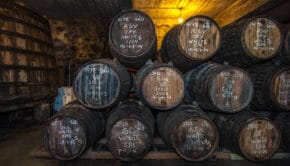
Sherry casks are still largely misunderstood by whisky lovers. This isn’t surprising if you look at the marketing and communications by whisky distilleries. Brands like The Macallan, The Dalmore or GlenDronach… use sherry casks as their unique selling point, creating a premium status. They’ll show you pictures of romantic bodegas full of ancient barrels painted in black, holding well-aged sherry wines. These places exist, but the images are not very realistic for sherry cask production.
What they are selling is often the artisan character of sherry itself, but sherry cask production is a more industrial process. Even though the same tonelerías and bodegas are involved in supplying casks, I’d rather think of them as separate businesses. The turnover from sherry cask production of certain bodegas is now clearly bigger than the turnover from actual sherry production. In a way sherry wine is becoming a by-product.
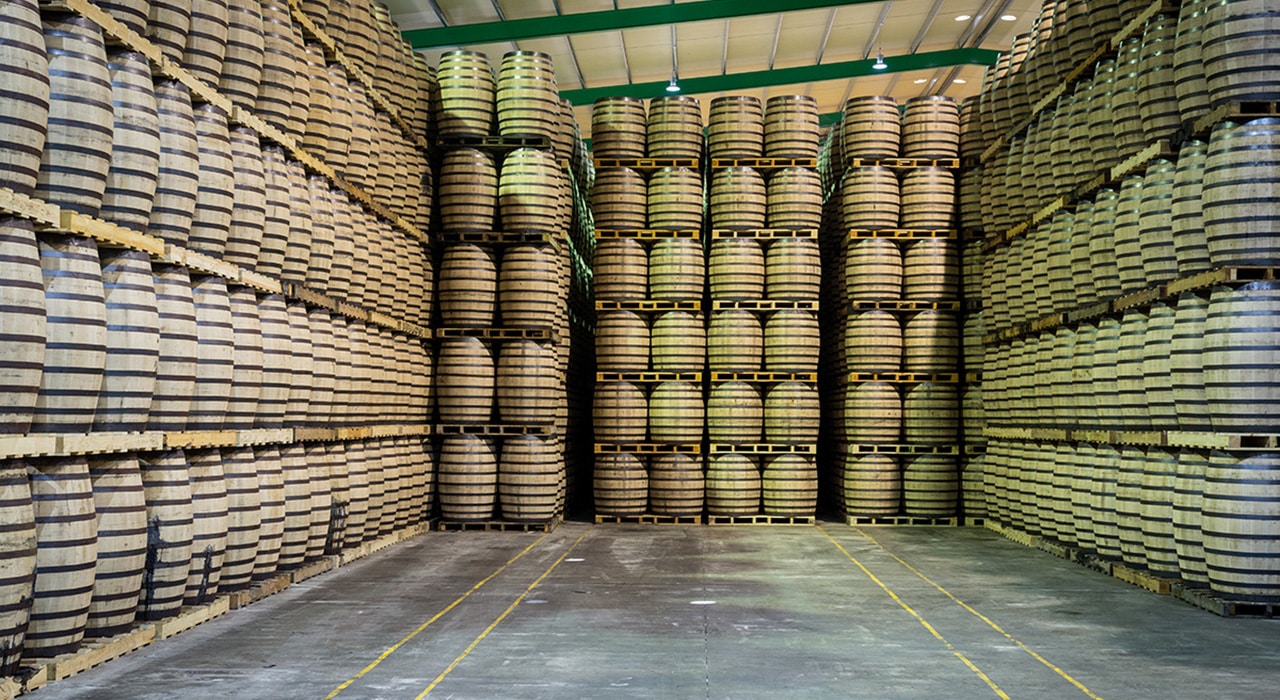
A more realistic view at sherry casks being prepared for the whisky industry
Seasoned sherry casks
Back in 2016 I was triggered by Jamie Goode to write an article about sherry and oak, explaining that the sherry industry relies on totally different types of barrels and maturation principles than the whisky industry. Sherry needs old oak – dead wood, if you like, which primarily works as a flavourless breathing container.
A bit later I published an article on my other website WhiskyNotes, explaining how sherry casks were made and used in the whisky industry. At the time I felt frustrated about the limited (in-depth) information that was available about the definition of a sherry cask. Sherry bodegas treasure their old casks and use them as long as possible, so it’s clear that the huge whisky industry can’t rely on the same barrels that are used for ‘drinking sherry’.
This is where cask seasoning comes in: the preparation of new “virgin oak” casks that are flavoured with young sherry for merely one or two years. It removes unwanted elements from the new oak and at the same times adds some of that glorious sherry flavour before the whisky goes in.
Although I find sherry bodegas to be quite open about how they’re made, whisky distilleries are less transparent about it. Embarrassingly, many whisky representatives will still tell you that we need to drink more sherry so we can keep getting casks, but that’s not the case. I would even claim the opposite: sherry bodegas keep producing quality sherry (for drinking) because they can top up their balance by seasoning sherry casks. More about the misconceptions on sherry casks can be found in this round-up in Whisky Magazine.
Demystifying sherry casks
Demystifying the concept of a sherry cask is one of my favourite subjects for tastings and educational lectures, both for whisky clubs and wine clubs. It’s often a good starting point to introduce new people to sherry wines as well. They’ll come to hear about sherry casks but they leave with a new interest for the wine itself.
In the tasting I go over a few of the biggest misconceptions around sherry casks, explaining what they really are:
- Sherry casks in the whisky industry weren’t used to mature sherry wines. They are new casks, tailor-made for the whisky industry.
- Every barrel has multiple beneficial effects on spirits maturation, and the transfer of the typical sherry aromas is only part of the story.
- The colour of whisky from sherry casks comes primarily from the wood, not from the type of sherry used.
- Most whisky enthusiasts link sherry to European oak, but sherry casks in bodegas are almost exclusively made from American oak.
- Whisky matured in old ex-bodega casks is very rare, but it does exist. It’s not necessarily better than whisky matured in seasoned sherry casks.
- I also go into the officially ‘sherry cask’ approval programme from the Consejo Regulador, explaining the regulations.
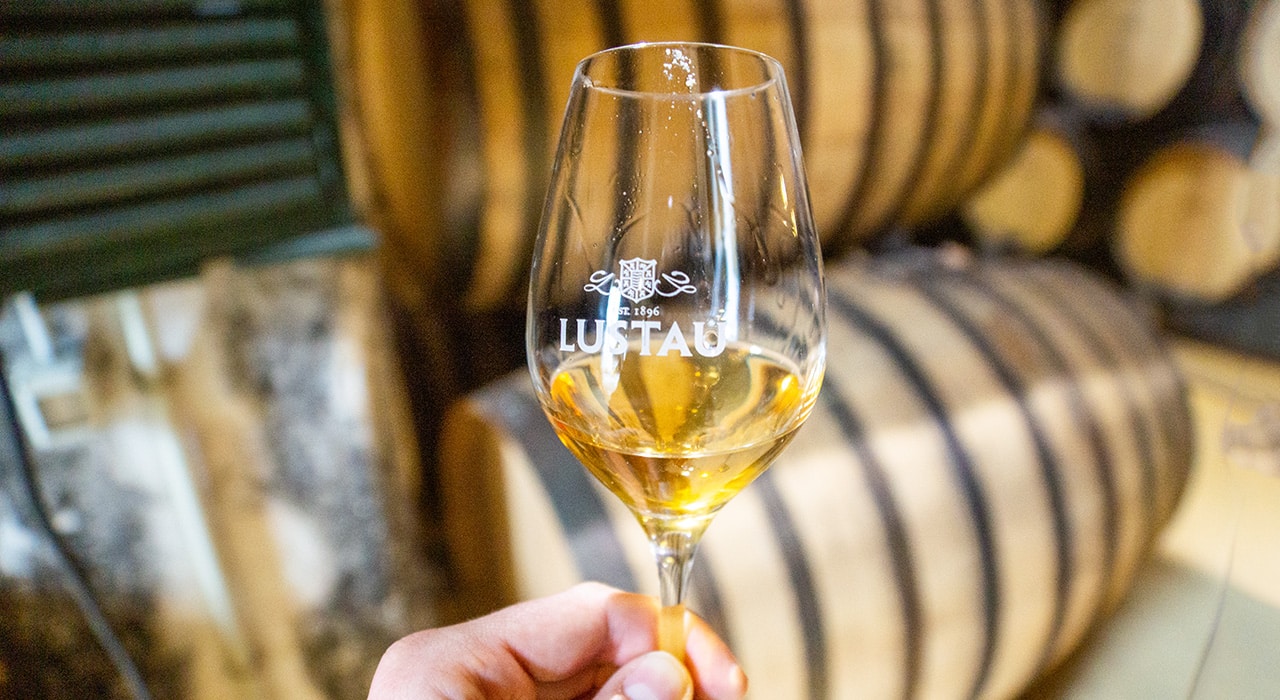
Very young Oloroso used to season new sherry casks at Lustau
The sherry line-up
I selected four sherries and four whiskies. The budget was enough to pick some of my favourite sherries in each category:
- Fino Coquinero En Rama (Osborne)
One of the only Finos that are bottled at 17% ABV, and one of the older Finos on the market (around 6-7 years). I think it’s a bottled at an excellent moment in time, showing a lot of coastal character. There’s also a rounder side to it, which helps if you’re serving a difficult style like Fino to beginners. - Amontillado del Castillo (Lustau Almacenista)
Quite an old Amontillado matured in the Castillo de San Marcos in El Puerto. A beautifully polished style with a caleidoscopic array of romas and flavours. The hint of wood means whisky lovers find it easy to relate to. It proved to be an excellent pick: a lot of people said this was their favourite sherry of the evening. - Palo Cortado Solera (Cayetano del Pino)
Palo Cortado casks are highly regarded by whisky lovers, so there was a big interest in this wine. Easy to appreciate because it is similar to Oloroso and provides some classic flavours of dried fruits, berries and acidity. - Canasta Cream 30 Years (Williams & Humbert)
I was pleasantly surprised to find enough bottles of this high-end Cream sherry – it seems only the 20 year-old version is commonly available. The older version is excellent: lovely complexity, a deep Oloroso character at its base, and enough acidity to keep it balanced. Lots of fans for this one in the audience.
Whisky from sherry casks
The whisky line-up was good but less spectacular, in all honesty. I mean, the sherries are all in the upper regions of their category, but good whisky is far less affordable these days. Moreover even specialised whisky shops won’t have many options matured in these uncommon cask types. I went for this selection:
- Bimber Rudolf Fino Cask
Bimber is a young London distillery. They use a plethora of different cask types, unfortunately this expression only had a short finish in a Fino cask, after a much longer period in an active bourbon cask. Hard to detect the Fino influence here. Then again, isn’t Fino the hardest sherry cask to work with (and to detect) for whisky maturation? - Orkney (HP) 2011 Amontillado – Signatory Vintage 100 Proof
Orkney (HP) 2011 – Signatory Vintage 100 Proof
Identical whisky from Highland Park distillery, matured in two different sherry casks. Interesting to try them head-to-head. The differences weren’t big, but I was surprised to see the smoke influence seemed significantly stronger in the Palo Cortado cask. - Bunnahabhain 2014 Canasta butt
Sherry casks and peat can work well together. Here it led to a great nose, with lots of complexity and coastal elements. Slightly rougher on the palate, with big caramelized notes. I think whisky distilleries aren’t seeing the potential of Cream sherry casks enough – perhaps because the reputation of the wine isn’t great?
About the Author

Ruben is a Certified Sherry Educator who fell in love with sherry some 25 years ago, but switched to a higher gear in 2013 and started writing about it. Lived in Madrid for a couple of years, now back in Belgium. I also run a whisky blog over at www.whiskynotes.be
Related Posts

Visiting Williams & Humbert →

Club Contubernio: the sherry subscription →
The most misplaced picture of a sherry bodega →